
YOGA
Physical benefits
Yoga increases children’s body awareness and mindfulness.
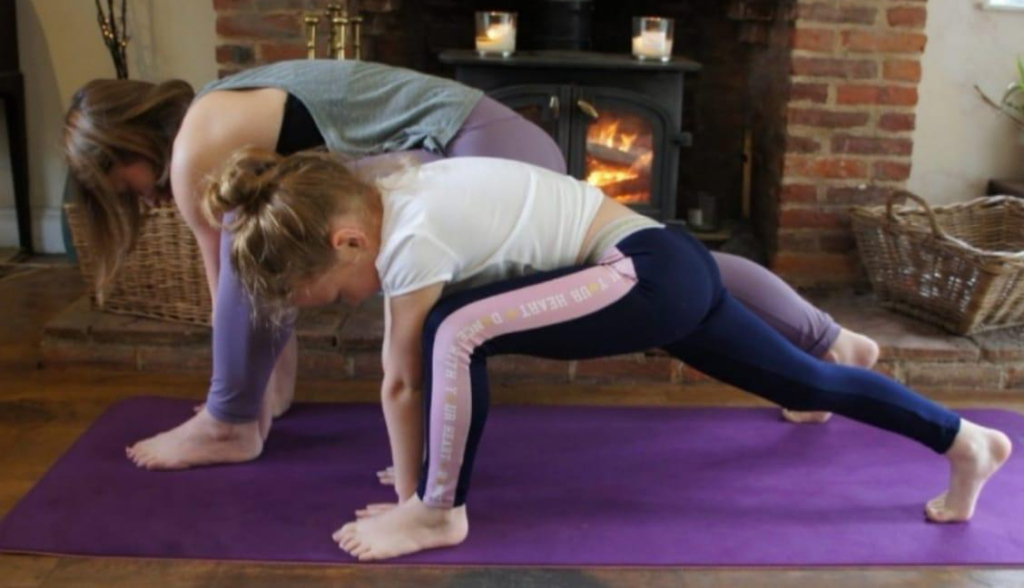
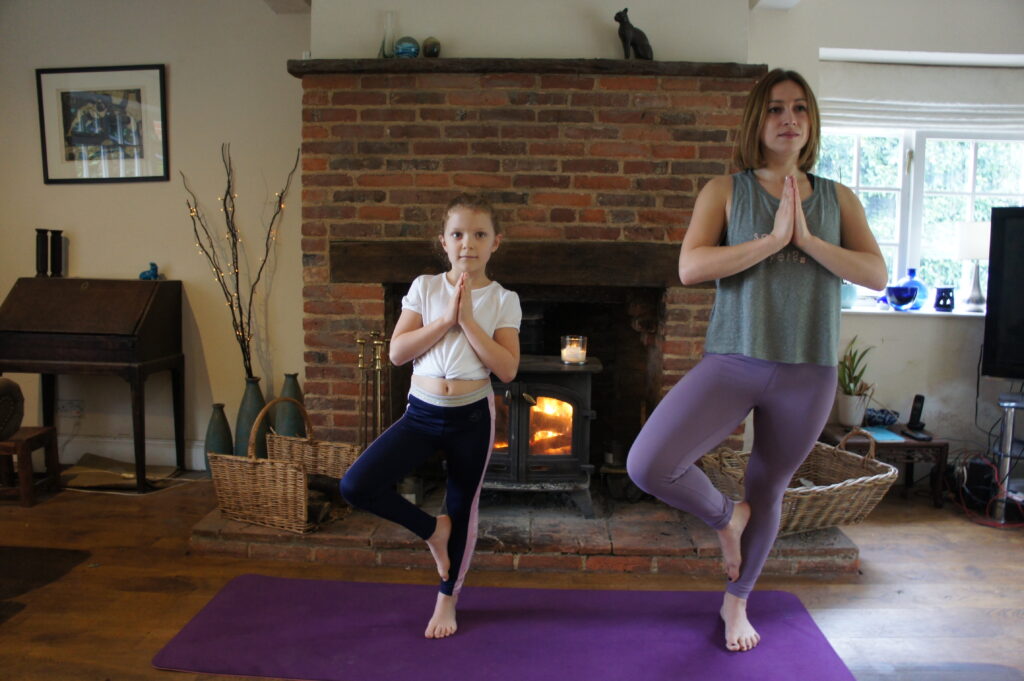
Going through a variety of yoga poses helps children learn about their bodies and the movements they’re capable of doing.
Yoga develops children’s strength and flexibility.
Yoga helps strengthen children’s growing bodies and helps them improve their balance, as well as flexibility, which can reduce their chance of injury.
Emotional and Mental benefits
Yoga helps children manage their anxiety.
The breathing exercises and relaxation techniques learned from practicing yoga can help children with stress management. Teaching children how to reduce stress in a healthy way is an important life skill that will help them as children and as adults. Yoga enhances children’s concentration and memory.
One of the top benefits of kids’ yoga is that the different types of moves requires children to focus and work on their memorization skills—both of which can translate over into their academic performance.
Social benefits
Yoga boosts children’s self-esteem.
Yoga for kids can do wonders for their self-esteem.
Perfecting a pose or improving their balance and flexibility can give young children a sense of personal empowerment.
Yoga teaches discipline and reduces impulsivity.
Yoga can reduce challenging behaviours in the classroom by providing a physical outlet for children to express themselves. It also teaches children about discipline as they work on clearing their minds and perfecting their poses.
MINDFULNESS
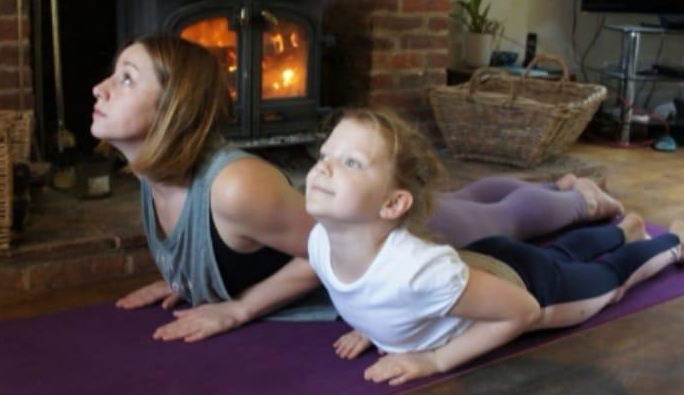
Mindfulness, at its simplest: is paying attention to what is happening in the present moment. Being fully aware of your surroundings and how you are feeling in the ‘now’.
There’s no special place of calm you have to reach, it’s not about clearing your mind, it’s an honest and kind look at what you are experiencing in this moment. Taking the time to be fully engaged in all that you are and whatever you are feeling.
Practicing mindfulness on a regular basis can makes it easier to enjoy the pleasures in life as they occur, helps you become fully engaged in activities, and creates a greater capacity to deal with any of life’s obstacles. By focusing on the here and now, many people find they are less likely to get caught up in worries about the future or regrets over the past, they are less preoccupied with concerns about success and self-esteem, and are better able to form deep connections with others.
YOGA
Physical benefits
Yoga increases children’s body awareness and mindfulness.
Going through a variety of yoga poses helps children learn about their bodies and the movements they’re capable of doing.
Yoga develops children’s strength and flexibility.
Yoga helps strengthen children’s growing bodies and helps them improve their balance, as well as flexibility, which can reduce their chance of injury.
Emotional and Mental benefits
Yoga helps children manage their anxiety.
The breathing exercises and relaxation techniques learned from practicing yoga can help children with stress management. Teaching children how to reduce stress in a healthy way is an important life skill that will help them as children and as adults. Yoga enhances children’s concentration and memory.
One of the top benefits of kids’ yoga is that the different types of moves requires children to focus and work on their memorization skills—both of which can translate over into their academic performance.
Social benefits
Yoga boosts children’s self-esteem.
Yoga for kids can do wonders for their self-esteem.
Perfecting a pose or improving their balance and flexibility can give young children a sense of personal empowerment.
Yoga teaches discipline and reduces impulsivity.
Yoga can reduce challenging behaviours in the classroom by providing a physical outlet for children to express themselves. It also teaches children about discipline as they work on clearing their minds and perfecting their poses.
MINDFULNESS
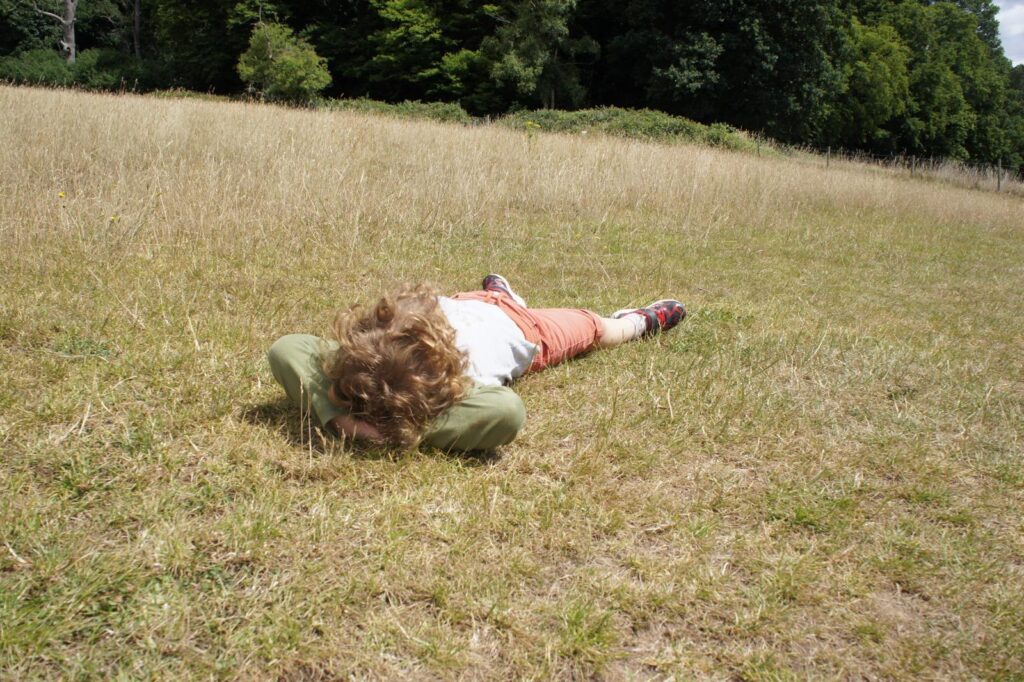
Mindfulness, at its simplest: is paying attention to what is happening in the present moment. Being fully aware of your surroundings and how you are feeling in the ‘now’.
There’s no special place of calm you have to reach, it’s not about clearing your mind, it’s an honest and kind look at what you are experiencing in this moment. Taking the time to be fully engaged in all that you are and whatever you are feeling.
Practicing mindfulness on a regular basis can makes it easier to enjoy the pleasures in life as they occur, helps you become fully engaged in activities, and creates a greater capacity to deal with any of life’s obstacles. By focusing on the here and now, many people find they are less likely to get caught up in worries about the future or regrets over the past, they are less preoccupied with concerns about success and self-esteem, and are better able to form deep connections with others.